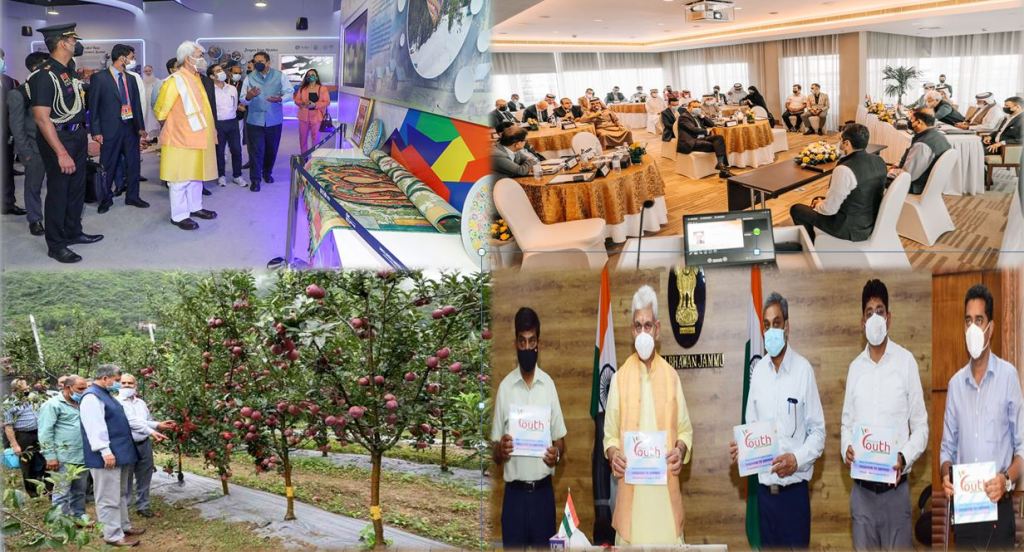
The Kashmir Valley boasts distinctive weather and climatic conditions compared to the rest of the country. A clear disparity exists in the distribution of rainfall between the North and South regions of the valley. Its varied topography and terrain call for sector-specific investments rather than applying a blanket approach. The hilly landscape predominantly engages the local population in agriculture and allied fields. Furthermore, artisanal pursuits are prevalent in the Union Territory. However, due to industrial backwardness, economic development has been considerably impeded. An assessment of industrial growth over the past two decades reveals minimal progress. Nevertheless, in recent years, signs of progress have emerged in select sectors. Infrastructure and economic development, pivotal for expediting industrial growth, are now gaining momentum with central government funding.
Government, financial institutions, and agencies in the Union Territory show interest in manufacturing investments. However, remote areas face hurdles with power supply and machinery. Nature-based industries like floriculture, mushroom cultivation, and sericulture can thrive temporarily. Sectors like mining, quarrying, and mineral processing need revitalization. Training is essential for those in these sectors. The service sector contributes significantly, accounting for 56% of the economy. New roads and joint efforts by the Centre and Indian Army unveil fresh tourist locales. Affordable bank loans for vehicles could transform transportation and self-employment. IT, agro-based industries, and food processing hold promise. Horticulture, known for centuries, generates over 50 crores in revenue and employment. The valley’s climate and environment are ideal for diverse flowers. The floriculture department’s efforts have led to successful commercial flower cultivation, benefiting growers. This industry holds global potential, with innovations transforming foliage, potted, garden, medicinal plants, and ornamental flowers. Floriculture requires less space than horticulture but offers vast potential. Cultivated area has grown from 80 to 350 hectares, generating revenue surpassing 1350 lakhs annually.
Kashmiri youth are favoring self-employment through apple cultivation on their horticultural land. Each hectare of apple orchard generates around 400 man-days per year, and horticulture engages 43 lakh individuals, contributing five thousand crores annually to the UT’s GDP. The sector also plays a significant role in employment generation, particularly in South Kashmir. In 2022, competition from Iranian apples posed a threat to local growers’ livelihoods, leading to a partial ban. Government initiatives, such as Mandis, technology support, research, and mechanization, have driven sector growth. Enhanced mechanization could modernize and further boost this substantial GDP contributor. The government’s role is crucial in developing crop-based adaptation strategies for increased production and addressing climate change and pollutants’ impact on the sector.
Tourism significantly drives Jammu and Kashmir’s economy, contributing over 8% to the UT’s GDP. It encompasses pilgrimage sites like Vaishno Devi, Amarnath, and Charar-e-Sharif, drawing millions of visitors annually. The region boasts popular destinations like Bangus, Lolab, Gurez, Gulmarg, Sonamarg, and Pahalgam. Collaborative government-civilian efforts have uncovered new destinations, benefiting the local economy and generating employment for hotel staff, guides, and drivers. Focused attention from both central and UT administrations is crucial for developing infrastructure around these tourist spots.
The valley’s exceptional craftsmanship has gained global recognition, spanning handloom, carpet weaving, silk production, wood carving, papier-mâché, shawl making, and embroidery. Around 69 lakh artisans contribute significantly to this sector, necessitating government-backed international events, exhibitions, and promotion of products like shawls, Namdas, Crewel, and Kani Shawls. This sector is a vital job generator for the valley’s economy, but machinery upgrades are needed to meet growing demand.
Jammu and Kashmir’s industrial sector, accounting for 26% of GDP, holds untapped potential, especially in food processing, textiles, and agro-based industries. Dominated by MSMEs, employing 90% of the labor force, it plays a dual role in economic development and youth employment. A tailored package, akin to North-eastern states’ strategies, is crucial for industrial growth. Discussions with experts and industrialists, along with structured interventions, will expedite growth and boost investor confidence, enhancing private investment.
Kashmir is a haven for adventure seekers, offering activities like camping, rafting, trekking, safaris, and paragliding against a backdrop of lush meadows, snow-capped mountains, and icy glaciers. Proper development can position the valley as a prime adventure destination.
The prosperity of Kashmir hinges on sustainable growth in tourism, agriculture, handicrafts, and forestry, necessitating government support, infrastructure development, skill enhancement, finance, and market access. Emphasis on eco-friendly practices, resource conservation, culture preservation, and equitable development will establish Kashmir as an economic and social exemplar, deserving the title “Jewel in the crown of our nation.

 Kashmir RootStock