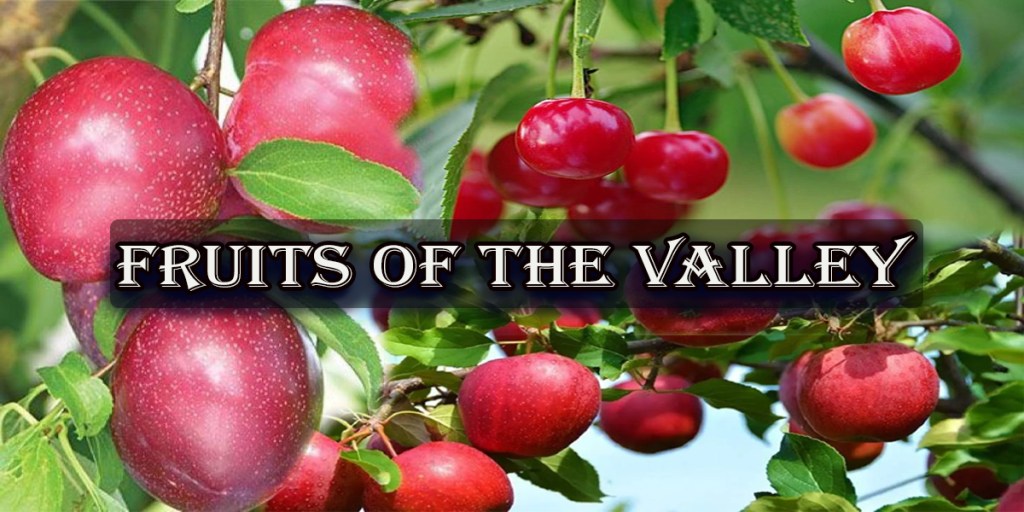
Each year, as the Himalayan landscape shifts into a season of ripeness, Kashmir’s orchards turn into a living masterpiece. The valley adorns itself with hues of red, gold and green as fruits like apples and cherries mature, reflecting not only the richness of nature but also the resilience and heritage of the people. This seasonal spectacle is more than a feast for the eyes; it is a reminder of how deeply agriculture is woven into the cultural and economic life of Kashmir. The orchards are not merely farms but vibrant spaces of tradition where land and livelihood merge seamlessly into a canvas of strength and beauty. Among these treasures, apples hold a place of unmatched significance. From August to October, with September marking the height of the harvest, the valley resonates with the sight of Ambri, Golden Delicious and Maharaji apples filling baskets, markets and mandis. In the last three years, Kashmir produced over 6.2 million metric tonnes of apples, a figure that underscores its role as India’s leading apple grower. Fertile soil and favorable weather conditions make districts like Pulwama and Shopian renowned for their produce. Shopian, in particular is fast transforming into a hub of innovation with the government’s Apple Cluster project worth over ₹135 crore, aimed at modernizing practices and ensuring that Kashmir’s apples meet global standards of quality and competitiveness.
Before the apples arrive in full splendor, cherries mark the early rhythm of harvest. Beginning in May and stretching into June and July, cherry picking is an eagerly awaited activity that sustains orchard families until autumn. Ganderbal alone contributes nearly 60 percent of Jammu and Kashmir’s cherry output, with about 1,200 hectares under cultivation. Varieties such as Mishri, Jaddi, Makhmali and Double dominate the harvest and the revenue often ranges between ₹3 to 5 lakhs for farmers in mid-season. This income is crucial for maintaining orchards and preparing for the larger apple yield. Recent exports to markets in the United Arab Emirates and Saudi Arabia, along with new transport initiatives such as rail shipments to Mumbai, highlight the sector’s growing reach and potential.
The richness of Kashmiri horticulture extends far beyond apples and cherries. The valley is home to pears, plums, strawberries, walnuts and exotic berries, each adding diversity to the orchard economy. The Gassu area near Srinagar is especially known for strawberries, while the Lolab Valley, often called the fruit bowl of Jammu and Kashmir, thrives with apple, cherry, plum and walnut orchards nestled among meadows and forests. In total, nearly 3.38 lakh hectares of land in Jammu and Kashmir are dedicated to fruit cultivation, with apples alone covering around 1.62 lakh hectares. This vast agricultural base supports approximately seven lakh families and contributes about eight percent to the region’s Gross Domestic Product. Sopore’s fruit mandi stands as a testimony to this scale, with nearly 40 percent of the valley’s apple trade moving through it. With an annual turnover crossing ₹3,000 crore, it ranks as Asia’s second-largest fruit wholesale market and forms the beating heart of Kashmir’s horticultural economy.
Yet, behind this beauty and abundance lie persistent challenges. Sudden weather changes, untimely rains, and diseases like apple scab have often reduced yields by significant margins, sometimes by nearly 40 percent. The delicate nature of cherries adds further vulnerability, as inadequate transport and limited cold storage result in losses. Still, the spirit of innovation among Kashmiri growers continues to shine. High-density plantations, anti-hail nets, solar fencing and packaging improvements are steadily changing the landscape of fruit cultivation. Farmers are also experimenting with extended-season cherry varieties like Bing and Lapin, ensuring a longer market presence. These efforts, backed by cooperative models and government initiatives, are setting the stage for Kashmir’s fruits to shine not just nationally but internationally. Beyond the economics, the orchards remain cultural sanctuaries where harvest seasons are celebrated with music, food and togetherness, binding communities in joy and tradition. In this way, Kashmir’s orchards symbolise both sustenance and strength. They are not only sources of livelihood but also reflections of endurance, much like the soldiers who safeguard these valleys with quiet dedication. Just as the fruits illuminate the land with color and abundance, the people of Kashmir and their guardians illuminate it with resilience and purpose, making every harvest a true season of strength and splendor.

 Kashmir RootStock