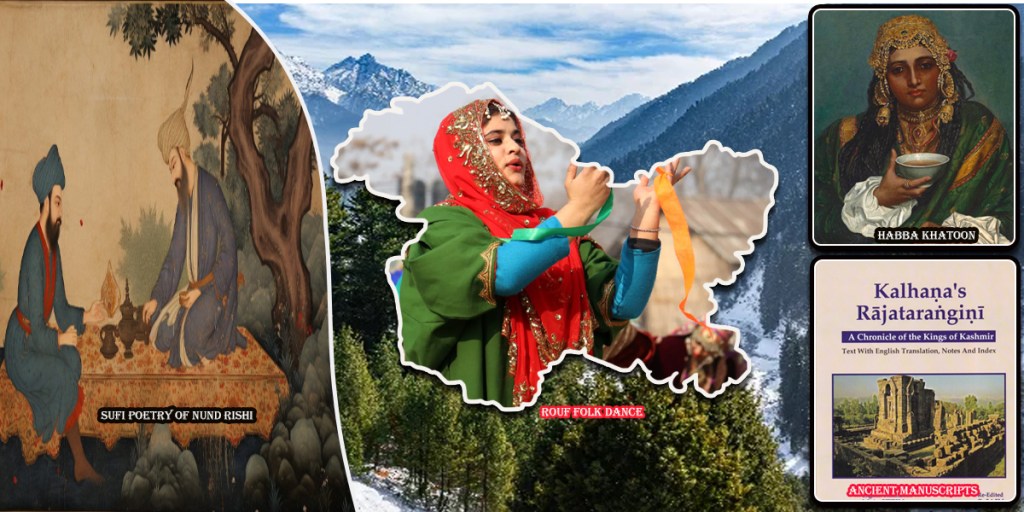
Kashmir, often described as paradise on earth, is known for its breathtaking scenery and for its timeless folklore that echoes across valleys and villages. These stories, passed down orally through generations, form the core of the cultural memory of the Kashmiri people. More than entertainment, they are expressions of identity, weaving together beliefs, values and wisdom. The tales reflect humour, mysticism, morality and symbolism, showing how people have understood their world and their place within it. The oral traditions preserve an inner map of Kashmiri society, linking the imagination with lived reality. They stand as living archives where the voice of the past remains alive in the present, shaping how communities relate to one another and to their land.
From the myths of serpent kings guarding sacred lakes to songs celebrating love, resilience and community, Kashmiri folklore is diverse and layered. It embraces influences of Hinduism, Buddhism and Islam, illustrating centuries of cultural confluence. Stories of saints, poets and mystics such as Lal Ded, Nund Rishi and Habba Khatoon continue to inspire people with their teachings of compassion, spiritual unity and perseverance. Legends surrounding the origins of the valley, like the draining of Satisaras by sage Kashyapa or the mystical guardianship of Nagas, show how natural landscapes were interpreted through spirituality. Local songs like wanwun, sung during weddings or Ruf songs performed at spring festivals, combine blessings, humour and communal spirit. Ballads of tragic romances like Himal and Nagrai connect the Kashmiri imagination to universal themes of love and longing.
The roots of these traditions run deep. Ancient texts such as the Nilamata Purana describe mythological origins, while Kalhana’s Rajatarangini blends history and legend. Over centuries, Persian chronicles, colonial translations and later research by Kashmiri scholars ensured that much of this oral heritage was preserved in written form. Yet, the most powerful medium has remained the spoken word. Mothers passing bedtime tales to children, elders recounting fables by the hearth during long winters or minstrels carrying stories from one village to another have all ensured that folklore was never lost. In every season, rituals and festivals kept this storytelling alive – Herath brought legends of Shiva, Baisakhi celebrated fertility and harvest, while winter evenings became occasions for remembering saints, heroes and spirits. These customs strengthened social bonds, allowing folklore to remain not just a cultural memory but also a living practice.
What makes Kashmiri folklore particularly significant is how it reflects a collective consciousness shaped by coexistence. The verses of Lal Ded and the teachings of Nund Rishi, though rooted in different faiths, shared the same vision of spiritual unity and compassion. Saints and Sufis, remembered through countless tales are portrayed merely as miracle workers and as guides who stood close to ordinary people, blessing barren lands, healing the sick and reminding communities of equality and humility. Even when stories describe mystical forces like serpent deities or supernatural beings, they are often symbols of ecological balance and social values. In this way, folklore connected people to their environment, ensuring that natural resources were viewed not only as material wealth and also as sacred trust.
Today, these traditions remain an essential part of Kashmir’s cultural fabric, but they require conscious preservation. Documenting oral stories, proverbs, songs and ballads in systematic ways can help protect them from being lost in changing times. Encouraging their inclusion in schools, universities and creative platforms like theatre, radio and literature can bring them closer to the younger generation. Festivals dedicated to storytelling and folk music can revive interest and participation, while research across disciplines can uncover the richness still hidden in local memories. Kashmiri folklore is not just about myths of the past – it is about continuity, identity and values that guide society even in modern times. By nurturing this heritage, communities ensure that the voices of their ancestors, their wisdom and their vision of harmony continue to echo across the valley, enriching both the present and the future.

 Kashmir RootStock