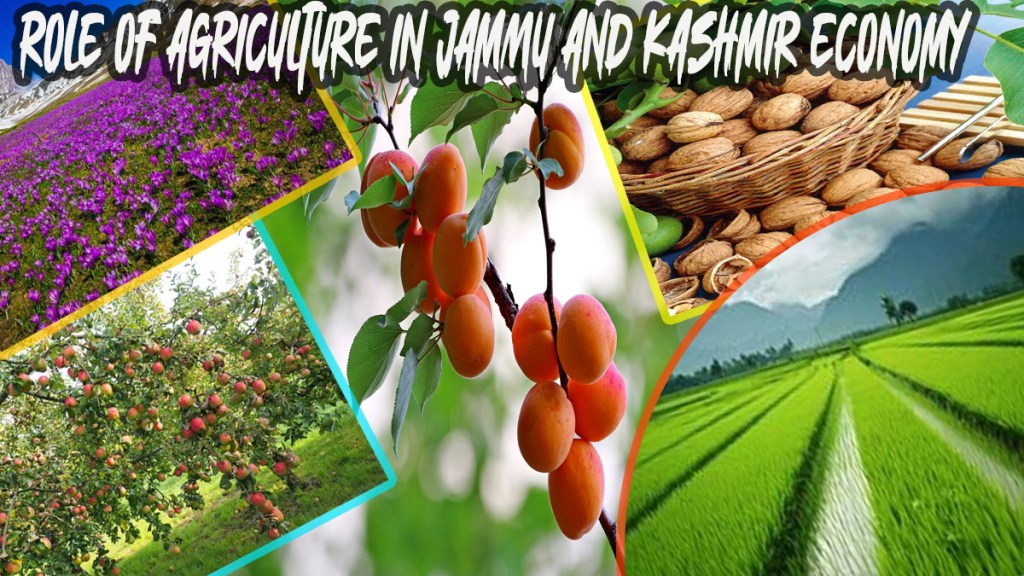
Jammu and Kashmir, often called the Paradise on Earth, is admired not only for its breathtaking natural beauty but also for its fertile valleys and rich agricultural traditions. Farming has long been the backbone of the region’s economy, sustaining a large share of its population. Even as modernization and expansion of towns continue, agriculture and related occupations remain deeply rooted in the livelihood, culture and economic stability of the people. The land’s natural diversity, ranging from plains to mountains, provides a strong foundation that keeps agriculture vital for the region’s social and economic fabric.
A major portion of the population of Jammu and Kashmir is directly or indirectly engaged in farming and associated fields such as horticulture, floriculture, dairy and livestock rearing. The region’s varying landscape and climate make it suitable for an extensive mix of crops, including rice, maize and wheat in the flatter areas, as well as valuable fruits and spices in the elevated belts. The farming sector contributes close to one fifth of the Union Territory’s Gross Domestic Product, underlining its importance even as other sectors like services and tourism continue to expand. Horticulture has emerged as one of the most dynamic and rewarding areas within this field. Jammu and Kashmir is the top producer of apples in India, contributing nearly seventy percent of the national production. Along with apples, the region is well known for pears, cherries, apricots, plums and walnuts, which are supplied across the country and to international markets. The horticulture sector supports the livelihood of more than seven lakh families, both directly and indirectly, and new practices such as dense apple plantations, expanded storage facilities and food processing units are raising productivity and quality.
The cultivation of saffron, often referred to as red gold, is another distinctive feature of Jammu and Kashmir’s farming heritage. The fields of Pampore produce saffron admired globally for its rich color, strong aroma and superior quality. In recent years, initiatives such as the National Saffron Mission have played a crucial role in improving water supply, enhancing yield, and boosting marketing support. These efforts have helped farmers increase their earnings while preserving a valuable cultural legacy that has been nurtured for generations. However, the agriculture sector also experiences several limitations. Small and scattered land holdings, traditional farming methods, restricted access to modern irrigation, inadequate storage and limited market linkages often hold back production and income. Changes in weather patterns and untimely rainfall sometimes lead to damage of crops, creating financial stress for farmers. The movement of young people from villages to towns in search of better work opportunities has also led to a decline in the availability of skilled farming labour.
Both the central government and the Union Territory administration have acknowledged the critical role of agriculture and taken steps to strengthen it through modern solutions. Programs like PM Kisan Samman Nidhi, Mission for Integrated Development of Horticulture and Kisan Credit Card are helping farmers secure financial assistance, modern tools and expert guidance. Growing attention is being given to natural and chemical free farming, introduction of improved seed varieties and connecting farmers to online markets so that they receive fair value for their produce. Training programs, exposure visits, and farmer awareness campaigns are gradually encouraging the adoption of scientific practices that can enhance productivity and sustainability.
The future of agriculture in Jammu and Kashmir lies in innovation, diversification and smarter market linkages. With increasing demand for natural, organic and premium farm products, along with improved irrigation systems and efficient supply chains, the region has immense potential to boost the profitability and stability of this sector. Food processing, packaging units, improved cold storage networks and farm-based tourism can bring new investment and generate employment for the youth, encouraging them to reconnect with agriculture. Farming continues to be central to the identity, livelihood and cultural strength of Jammu and Kashmir. Although challenges remain, consistent policy support, technological improvements and community-based participation can transform the traditional farming system into a modern and resilient growth driver. Strengthening agriculture ultimately means empowering the people and securing a promising future for the region.

 Kashmir RootStock