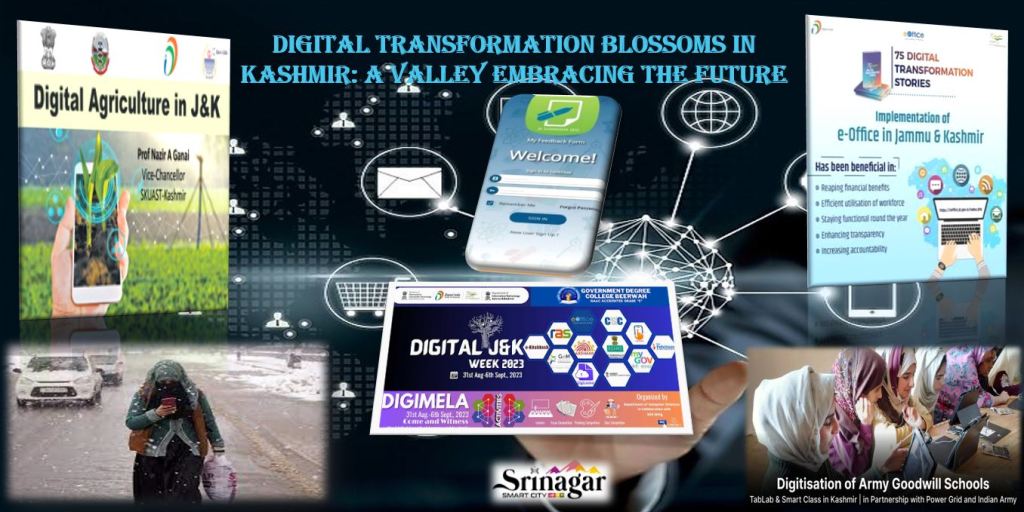
Nestled amidst breathtaking mountains and serene valleys, Kashmir, the “Paradise on Earth,” is undergoing a remarkable transformation. While its natural beauty has captivated hearts for centuries, the region is now witnessing a surge in digital adoption, promising a brighter future for its people. This digital wave is driven by a multitude of factors. The Jammu and Kashmir administration has launched ambitious programs like “Digital J&K” and “e-Office” to promote technological inclusion and streamline governance. These initiatives aim to provide paperless services, improve transparency and bridge the digital divide in rural areas. Infrastructure development has led to wider internet penetration, particularly with the launch of high-speed 5G and fiber optic networks. This increased accessibility is fueling online access to education, healthcare and economic opportunities. Tourism being a mainstay of the regional economy has also harnessed the digital transformation. The 2nd Khelo India Winter Games were broadcasted online for the first time. The launch of E-Commence portal for popular & craft tourism village of Kanihama is another example which has reinvigorated its economy. Kashmir boasts a young and vibrant population eager to embrace technology. The UT has strong penetration of mobile phones in upto 97% of household and 58% money access to internet. This demography is driving entrepreneurship in the IT sector, with startups developing innovative solutions for local and global markets. Recognizing the importance of digital skills, the government and NGOs such as Digital Empowerment Foundation are actively promoting digital literacy programs under c-DERP program, particularly among women and rural communities. These initiatives empower individuals to leverage technology for personal and professional growth.
The impact of this digital transformation has been evident across various sectors. and virtual classrooms are breaking geographical barriers and providing quality education to students in remote areas. Additionally, digital tools are enhancing teaching methods and fostering interactive learning experiences. The J&K Attendance & Samiksha app have allowed comprehensive tracking of attendance & greater transparency by fostering communication between teachers and students/ parents. The inculcation of i Prep Digital Library & i Prep Digital Class in various Army Goodwill Schools has allowed for uninterrupted leaning essentially removing any bottlenecks such as political unrest & internet outage. Tele medicine is bringing healthcare closer to the people, especially in areas with limited medical facilities. Patients can now consult doctors remotely, saving time and resources. Electronic health records are also improving data management and patient care.Smart farming technologies like precision agriculture and drone-based monitoring are optimising resource use and boosting agricultural productivity. Farmers are gaining access to market information and weather updates through digital platforms, empowering them to make informed decisions.
The J&K govt also set the wheels in motion for a Digital Agriculture Mission to utilize data from PM KISAN, KISAN Credit Card & Soil Health Card schemes and link the same with digitised land records to create a holistic overview of the agro industry. The IT sector is witnessing a boom, with young entrepreneurs developing innovative apps and solutions in areas like e-commerce, tourism and education. This is creating new job opportunities and fostering economic growth. E-governance initiatives like online grievance redressal systems and paperless workflows are increasing transparency and accountability in government operations. Citizens can now access government services conveniently through online portals. The J&K government has set a target of providing broadband connectivity to all panchayats (village councils) by 2024. The IT sector in J&K is expected to contribute 14% to the state’s GDP by 2025. The Govt launched ‘Digital J&K; programme to provide all govt services in digital mode through integrated source delivery portal.
Despite these strides, some challenges remain. The digital divide persists, with certain sections of the population, particularly in rural areas, lacking adequate access to technology and infrastructure. Bridging this gap requires targeted interventions and addressing affordability issues. As per Oxfam’s report on Inequality among 20% poorest households only 9% have access to internet facilities. As digital dependence grows, so does the risk of cyber threats. Robust Cyber Security measures are crucial to protect critical infrastructure and user data. To fully harness the potential of digital transformation, up skilling and reskilling programs are necessary to equip the workforce with relevant digital skills. The journey towards a digitally empowered Kashmir is ongoing. Overcoming these challenges and capitalising on opportunities will require sustained efforts from the government, private sector, NGOs and the community. By working together, Kashmir can leverage the power of technology to build a sustainable and prosperous future for its people. Kashmir’s digital transformation journey is an inspiring story of resilience, innovation and progress. By embracing technology and addressing existing challenges, the “Paradise on Earth” is poised to write a new chapter of prosperity and inclusivity for its people.

 Kashmir RootStock