
World Wildlife Day, observed annually on 3 March, is dedicated to raising global awareness about the importance of wild animals and plants and the urgent need to protect them. For many regions, this day is an environmental observance. For Kashmir, however, it is a reminder of a lived reality: here, wildlife conservation is inseparable from human survival, cultural identity and ecological balance. Kashmir’s mountains, forests, wetlands and rivers form a delicate system where nature and society exist in close dependence.
Kashmir lies within the Himalayan biodiversity hotspot and hosts a wide range of flora and fauna adapted to high-altitude and temperate ecosystems. These ecosystems are not only visually striking but also ecologically vital. Forests regulate water flow, wetlands support migratory birds and wildlife maintains food chains and natural balance. Any disturbance to this system is felt immediately in the form of floods, soil erosion, climate irregularities and declining agricultural productivity.
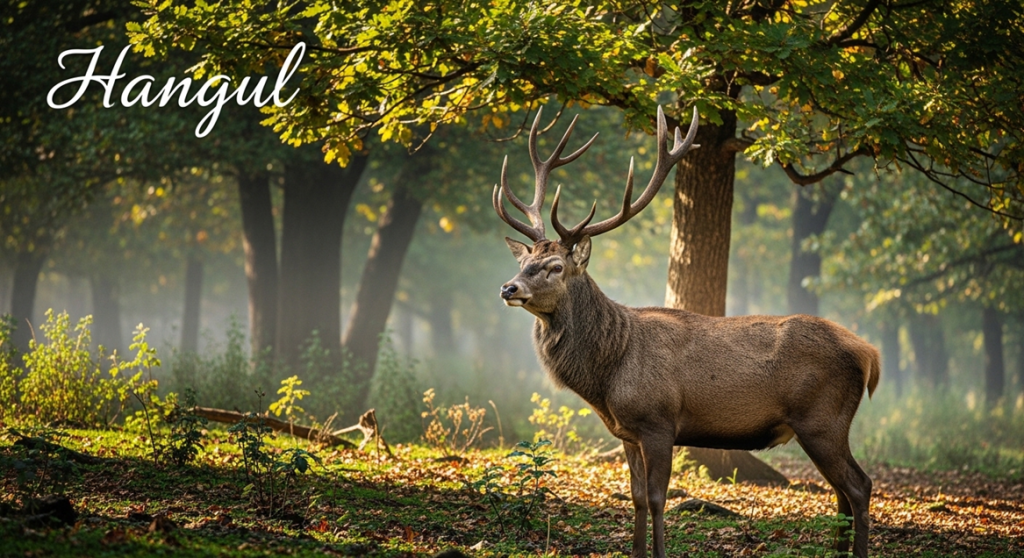
One of the most significant symbols of Kashmir’s wildlife heritage is the Hangul, or Kashmir stag. Found primarily in the Dachigam National Park and a few adjoining areas, the Hangul is a species found nowhere else in the world. Once numbering in the thousands, its population has declined drastically due to habitat fragmentation, human encroachment and environmental stress. Conservation efforts in Dachigam, including habitat protection and scientific monitoring, have helped stabilise numbers to some extent but the Hangul remains critically endangered. Its survival is often seen as a test case for wildlife conservation in Kashmir. Saving the Hangul is not only about preserving a species; it is about preserving the integrity of an entire ecosystem.
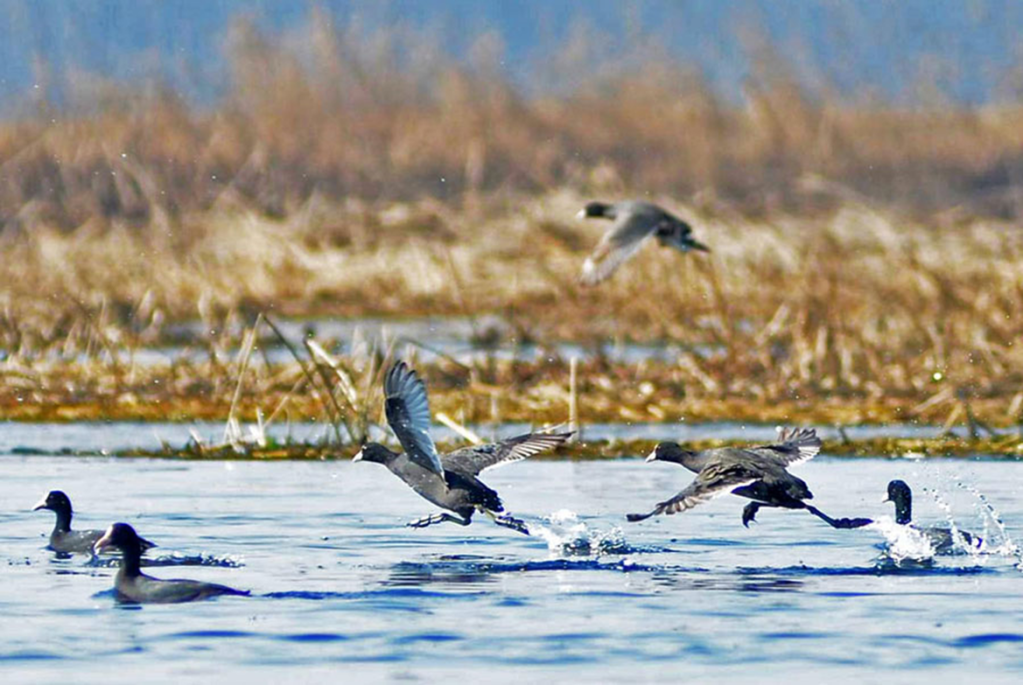
Wetlands form another crucial component of Kashmir’s ecological landscape. Hokersar Wetland, located near Srinagar, is one of the most important winter habitats for migratory birds in the region. Each year, thousands of birds from Central Asia and Siberia arrive here, making Hokersar a key link in global migratory routes. However, the wetland faces serious threats from pollution, encroachment and reduced water inflow. Shrinking wetland areas and deteriorating water quality have already begun to affect bird populations. World Wildlife Day draws attention to such sites, reminding us that wetlands are not wastelands but life-support systems that regulate floods, recharge groundwater and sustain biodiversity.
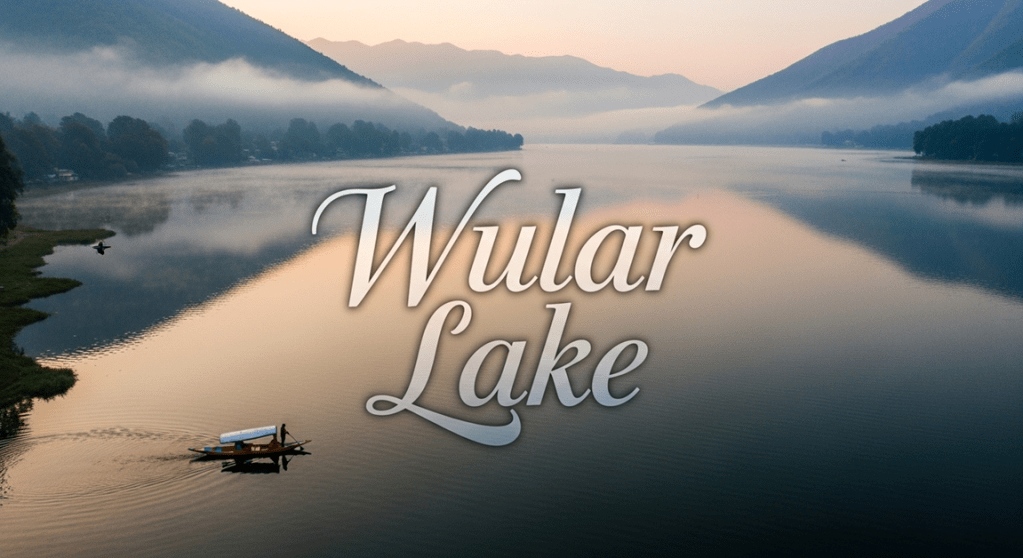
Similarly, Wular Lake, one of Asia’s largest freshwater lakes, plays a critical ecological and economic role in Kashmir. It supports fisheries, moderates flood and provides livelihoods to thousands of families. Over the years, siltation, pollution and human interference have reduced its size and depth. The decline of Wular has had visible consequences: increased flood vulnerability and loss of aquatic biodiversity. Conservation and restoration efforts, though ongoing, require sustained commitment, scientific planning and community participation.
Climate change has further complicated wildlife conservation in Kashmir. Reduced snowfall, melting glaciers and shifting seasons are altering habitats and migration patterns. Species adapted to cold climates are being forced into smaller ecological niches. Wetlands are drying earlier than usual, affecting migratory birds. Forest ecosystems are becoming more vulnerable to pests and fires. These changes demonstrate that wildlife conservation in Kashmir cannot be separated from broader climate and environmental policies. Wildlife also holds cultural significance in Kashmiri society. Birds, animals and landscapes appear frequently in folklore, poetry and oral traditions. The relationship with nature has historically been one of coexistence rather than domination. World Wildlife Day offers an opportunity to revive this cultural ethic, reminding people that conservation is not a modern invention but a value embedded in traditional wisdom.
From an economic perspective, protecting wildlife and ecosystems supports sustainable livelihoods. Healthy forests and wetlands sustain agriculture, horticulture, fisheries and tourism. Responsible eco-tourism, when properly regulated, can provide income while encouraging conservation. Conversely, environmental degradation increases poverty and vulnerability, particularly for communities directly dependent on natural resources. Education and public awareness are central to conservation efforts. Schools and colleges in Kashmir play a crucial role in building environmental consciousness among young people. Scientific understanding of ecosystems, combined with local knowledge, can empower the next generation to become responsible stewards of nature. World Wildlife Day serves as a platform to engage students, teachers and communities in discussions about conservation, sustainability and responsibility.
Ultimately, World Wildlife Day resonates deeply in Kashmir because it reflects an urgent truth: the region’s future is tied to the health of its wildlife and ecosystems. The survival of the Hangul, the protection of Hokersar and the restoration of Wular are not isolated environmental goals; they are interconnected with water security, climate resilience and human well-being. In Kashmir, wildlife conservation is not merely about saving animals. It is about maintaining balance in a land where nature shapes life in profound ways. World Wildlife Day reminds us that protecting wildlife means protecting ourselves, our culture and the fragile harmony that sustains this region.


