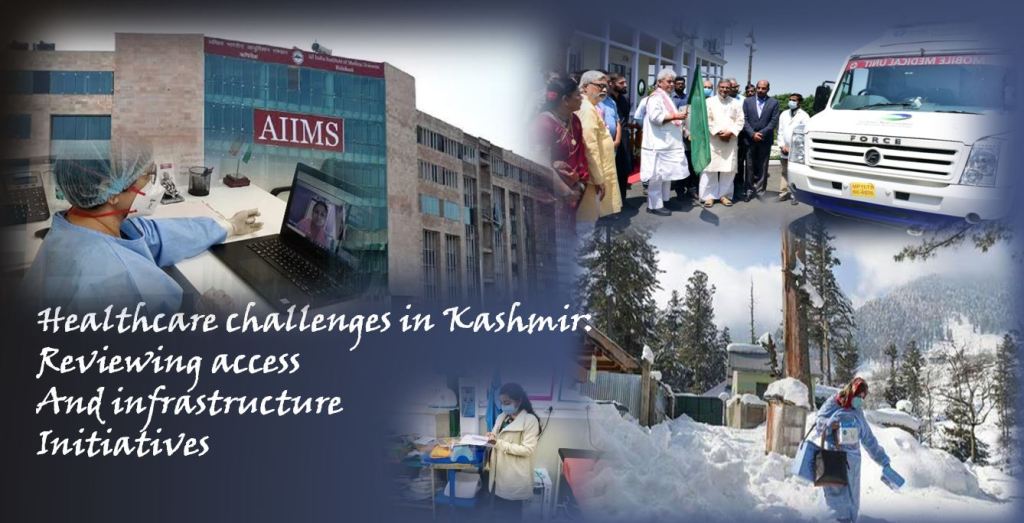
The Kashmir region, known for its breathtaking landscapes and rich cultural heritage, faces significant healthcare challenges that impact its population’s well-being. The region’s healthcare system grapples with issues related to access, infrastructure, and resource allocation.Kashmir’s rugged terrain and harsh climatic conditions pose considerable obstacles to accessing healthcare. Many remote villages are cut off from primary health centers, especially during winter. This isolation leads to delayed medical attention, exacerbating health issues that could otherwise be managed with timely care.
Restricted movement makes it difficult for patients to reach medical facilities. Healthcare workers also face challenges in commuting, which affects the overall delivery of services. This instability disrupts routine healthcare activities, causing delays in treatment and reduced availability of medical personnel in critical situations. A significant portion of Kashmir’s population lives below the poverty line, limiting their ability to afford healthcare services. The cost of treatment, coupled with transportation expenses, often discourages people from seeking medical help until their conditions become severe. Economic hardship exacerbates health inequalities, leaving vulnerable populations at a greater risk of untreated illnesses.
Kashmir has a limited number of hospitals and clinics, especially in rural areas. The existing facilities are often overcrowded and under resourced, struggling to cater to the healthcare needs of the population. The doctor-to-patient ratio is alarming, and low with a severe shortage of specialists. This lack of facilities forces many to travel long distances for basic and specialized care. Many healthcare centers in Kashmir lack advanced medical equipment and diagnostic tools. This inadequacy forces patients to travel to other states for specialised treatments, adding to their financial and emotional burden. The absence of modern technology hampers the quality of care and delays critical diagnoses and treatments.
There is a persistent shortage of healthcare professionals, including doctors, nurses, and paramedics. The lack of trained personnel affects the quality of care and delays treatment. Additionally, the challenging working conditions and lower remuneration compared to other regions dissuade professionals from working in Kashmir. The Indian government has launched several initiatives to improve healthcare in Kashmir. The Ayushman Bharat scheme, which provides health insurance to economically disadvantaged families, aims to reduce the financial burden of medical expenses. Additionally, the Pradhan Mantri Jan Arogya Yojana has been instrumental in expanding healthcare coverage in the region. These programs seek to make healthcare more affordable and accessible to the underprivileged.
Efforts are underway to upgrade existing medical facilities and establish new ones. Projects like the construction of AIIMS in Awantipora and the establishment of new medical colleges aim to enhance healthcare infrastructure and increase the availability of specialized treatments within the region. To address the challenge of geographical barriers, mobile health units have been deployed to provide medical services in remote and inaccessible areas. These units, equipped with basic medical facilities and staffed by healthcare professionals, offer essential services like vaccinations, prenatal care, and health screenings. Mobile units ensure that healthcare reaches those who would otherwise remain isolated.
Telemedicine has emerged as a viable solution to bridge the gap between patients and healthcare providers. The introduction of teleconsultation services allows patients in remote areas to access medical advice without the need to travel. This approach is particularly beneficial during times of unrest and adverse weather conditions.
Training and deploying community health workers (ASHAs) can significantly improve healthcare delivery at the grassroots level. These workers play a crucial role in promoting health awareness, conducting regular checkups, and providing basic medical care, thus reducing the burden on tertiary care centers. Community health workers act as a vital link between healthcare systems and local populations, ensuring consistent and localised care.
While Kashmir faces numerous healthcare challenges, the ongoing initiatives and government efforts offer a ray of hope. Improving healthcare access and infrastructure requires sustained investment, collaboration between government and non-governmental organisations, and innovative solutions tailored to the region’s unique needs. By addressing these challenges, Kashmir can pave the way for a healthier and more resilient population, capable of overcoming the adversities. The multifaceted approach to addressing healthcare challenges in Kashmir highlights the need for comprehensive strategies that encompass infrastructure development, technological integration, and community involvement.

 Kashmir RootStock