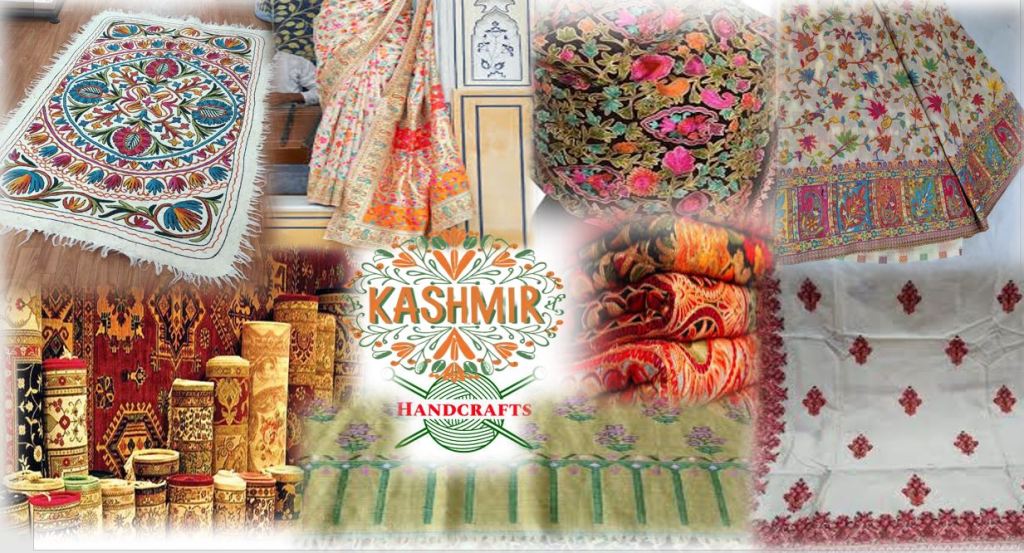
Kashmir, known as the “Paradise on Earth,” is not only famous for its breathtaking landscapes but also for its rich cultural heritage. Among the many treasures of Kashmir, its handloom industry stands out as a testament to the skill and artistry of its people. This article delves into the history, cultural significance, types of handlooms, challenges faced, and efforts to revive this traditional craft.The art of weaving in Kashmir dates back to ancient times, with references found in texts from the 11th century. The handloom industry flourished under the patronage of rulers like Sultan Zain-ul-Abidin, who invited skilled artisans from Central Asia. The Mughal era further elevated the status of Kashmiri handlooms, making them a symbol of luxury and refinement.
Pashmina Shawls: Known worldwide for their softness and warmth, these shawls are woven from the fine undercoat of Pashmina goats found in Ladakh.
Kani Shawls: These intricately designed shawls are woven using wooden spools called “kanis” and often feature traditional motifs like paisleys and floral patterns.
Carpets: Kashmiri hand-knotted carpets, or “Kaleens,” are made using silk or wool and are renowned for their durability and intricate designs.
Namda Rugs: Made from felted wool, Namda rugs are both functional and decorative, often featuring vibrant embroidery.
Silk Sarees: The silk industry in Kashmir produces sarees with unique designs and patterns, cherished across India.
Handlooms in Kashmir are not just products; they are a refle ction of the region’s culture and traditions. The motifs and patterns often depict elements of nature, such as flowers, leaves, and chinar trees, symbolizing the bond between the people and their environment. Handloom weaving is also a family tradition, with skills passed down through generations. Artisans are the backbone of the handloom industry. Their dedication and expertise ensure the production of high-quality products. However, these artisans often work in challenging conditions, with low wages and limited access to modern tools and markets.
Decline in Demand: The advent of machine-made textiles has significantly reduced the demand for handloom products.
Economic Constraints: Artisans face financial difficulties due to low wages and irregular income.
Lack of Awareness: Many people are unaware of the value and craftsmanship involved in Kashmiri handlooms.
Raw Material Scarcity: The availability of quality raw materials, such as Pashmina wool, is limited.
Middlemen Exploitation: Middlemen often take a large share of the profits, leaving artisans with minimal earnings.
Handloom Clusters: Establishing handloom clusters to promote cooperative work among artisans.
Skill Development: Training programs to enhance the skills of artisans.
Financial Support: Providing subsidies and loans to weavers.
Marketing Assistance: Organizing exhibitions and trade fairs to showcase Kashmiri handlooms.
The Army has played a significant role in preserving and promoting Kashmiri handlooms. Through initiatives like organizing handloom exhibitions and providing platforms for local artisans, the Army has helped connect weavers with wider markets. These efforts not only boost the local economy but also strengthen the bond between the Army and the people of Kashmir.
Digital Platforms: The introduction of e-commerce platforms has enabled artisans to sell their products directly to customers worldwide.
Collaborations: Partnerships with designers and brands have given a modern touch to traditional handlooms, increasing their appeal.
Sustainability: The focus on eco-friendly and sustainable practices has added value to Kashmiri handlooms in global markets.
The handloom industry of Kashmir is a heritage that needs to be preserved and nurtured. While challenges remain, the combined efforts of artisans, the government, and organizations like the Army are paving the way for its revival. By supporting Kashmiri handlooms, we not only promote a craft but also honor the cultural legacy of the region.

 Kashmir RootStock